Resource for investigating brain disorders
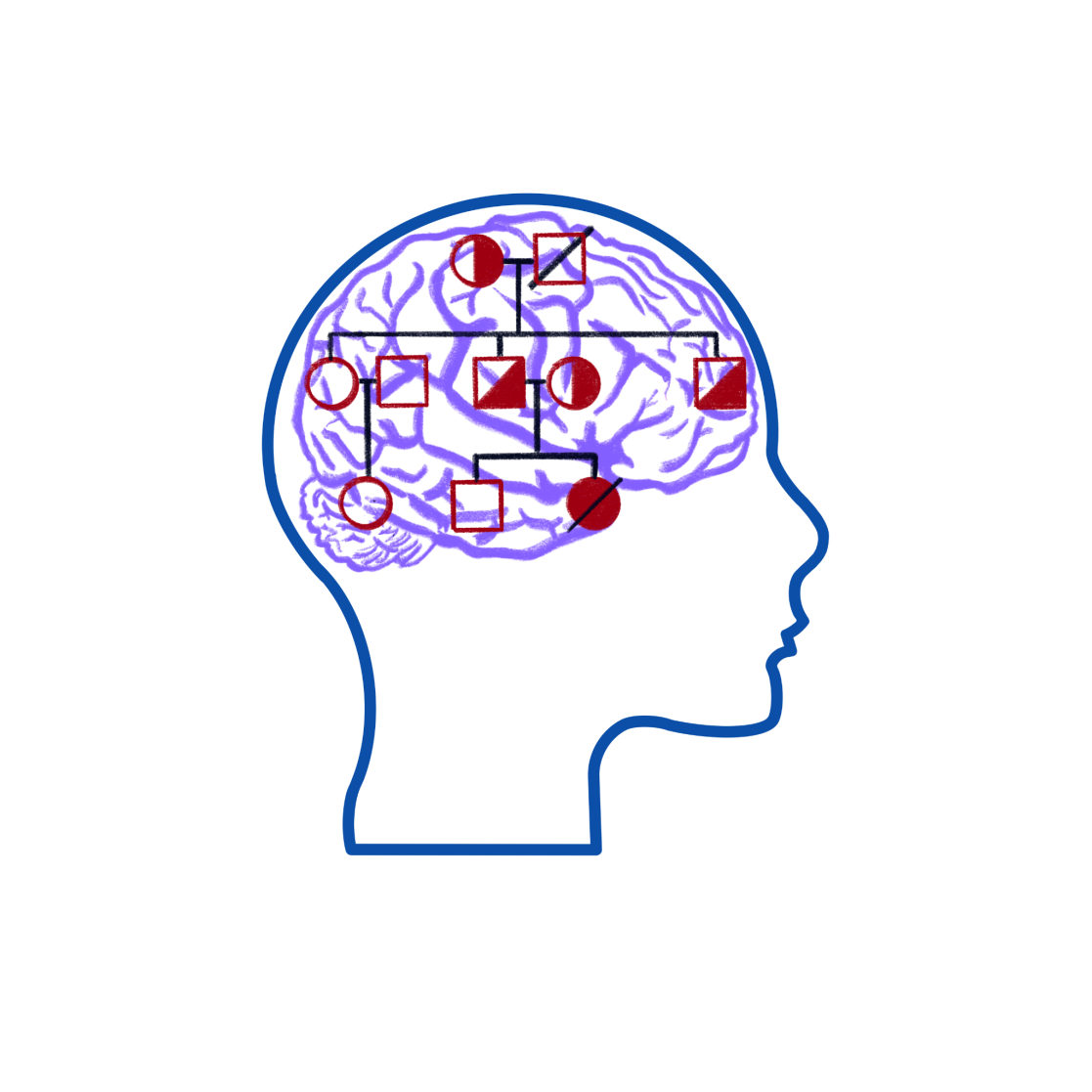
2339 Participants from 932 Families
About CALM-Brain
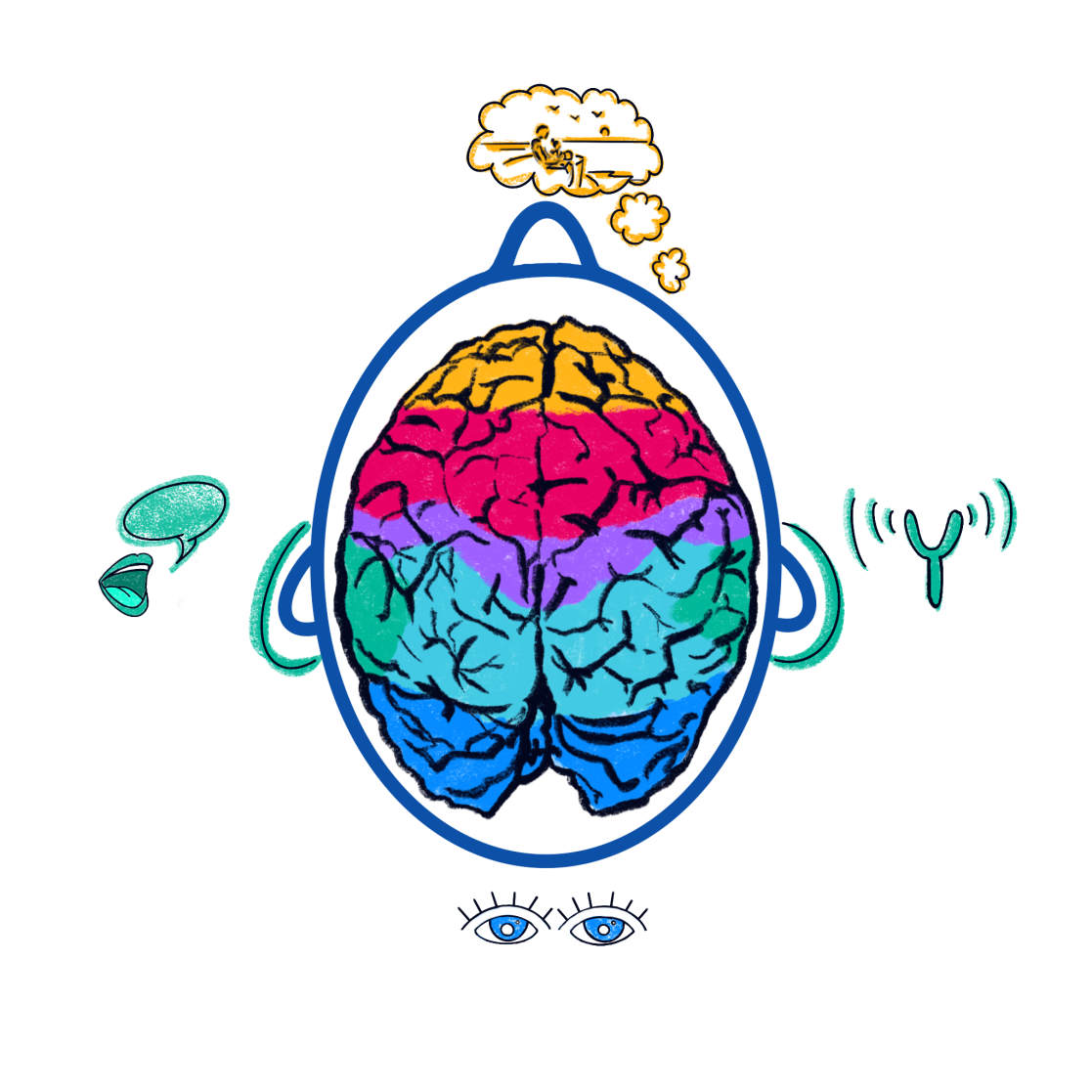
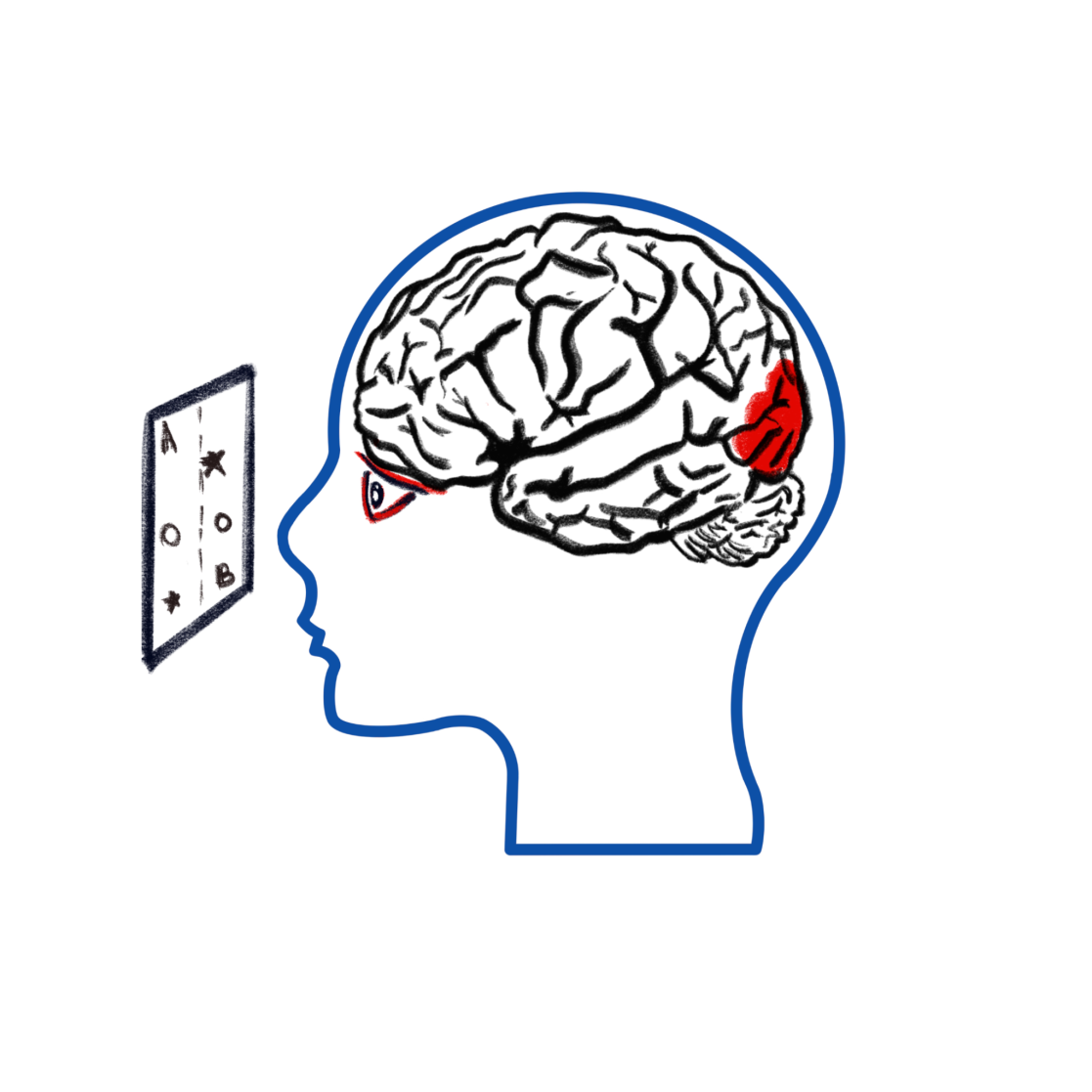
The CALM (CBM ADBS Longitudinal Multimodal) Brain Data Resource provides the scientific community with neuroimaging, electrophysiological, cognitive and eye-tracking datasets that are complemented with genetic and clinical information. These datasets are collected from patients and controls of families with severe mental illnesses. CALM-Brain includes data from schizophrenia, bipolar affective disorder, obsessive compulsive disorder, substance abuse disorder and dementia.
By compiling, curating and providing an analysis platform for this rich and multi-model dataset, we hope to facilitate research that attempts to discover the underlying biology of brain disorders.
Team
The development of the CALM-Brain database was a collaborative effort between investigators of CBM and was led by Prof. Upinder Singh Bhalla. Ms. G.V. HarshaRani is technical lead. Mr. Girish Mohan developed the initial version till 2024.
Data Use Agreement
CALM-Brain is distributed to the greater scientific community under the following terms:
- You will not attempt to establish the identity of or to make contact with any of the included human participants. This includes but is not limited to, genomic identification, facial recognition and 3D facial rendering.
- You will acknowledge the use of CALM-Brain data and data derived from CALM-Brain datasets when publicly presenting any results or algorithms that benefited from their use. Papers, book chapters, books, posters, oral presentations, and all other printed and digital presentations of results derived from CALM-Brain data should contain the following:
- Acknowledgments: "This study utilized data provided by the CALM-Brain repository.”
-
Citation: Until a journal article is available for the data resource, please cite the below reference.
- Viswanath, B., Rao, N.P., Narayanaswamy, J.C. et al. Discovery biology of neuropsychiatric syndromes (DBNS): a center for integrating clinical medicine and basic science. BMC Psychiatry 18, 106 (2018). doi: https://doi.org/10.1186/s12888-018-1674-2.
- You will not redistribute CALM-Brain data outside your team. Your team members must be named on your access application form.
- All your team members must also comply with this Data Use Agreement.
- You will not use AI tools to analyze this data unless you host the AI on your local system, or the AI provider guarantees that the data will not be retained by the AI provider or amalgamated into its training sets.
- You agree to provide the Center for Brain and Mind with information on the use of CALM-Brain data by your team should the Center for Brain and Mind so request.
- Failure to abide by these data use terms may result in termination of your permissions to access and use of CALM-Brain data.
Who Can Obtain Access?
Anyone with a scientific objective pertaining to understanding brain biology can request for access to the CALM-Brain data resource here by submitting a research statement along with human ethics approval document. Submission does not guarantee access. The decision for approval rests solely with the Committe.
Access Levels
- Zone 0 - Public Access (No Login Required)
User can browse the dataset on the CALM-Brain website and perform limited exploration without logging in. - Zone 1 - Registered Access (Login Required)
User must first create an account (Sign up) and then login to explore the available data in more detail and assess whether the dataset meets their research requirements. - Zone 2 - Data Access Request (Full Access)
Once logged in, users can submit a data access request. Upon approval, they will be granted access to the requested data.
By submitting the data request you agree to abide by the terms of this Data Use Agreement.
Documentation
These resources may be valuable to researchers using this data.
Contents, Access, and Usage
- CALM-Brain Data Reference
- https://gin.ncbs.res.in/calm-brain/info/wiki/Reference
- Access and Download using almirah
- https://gin.ncbs.res.in/calm-brain/info/wiki/Home
- The DataLad Handbook
- https://handbook.datalad.org/en/latest/
FAQ
- How to get started?
- User can browse the dataset on the CALM-Brain website and perform limited exploration without logging in.
- User can interact with the platforms at different levels depending on their needs, below flowchart illustrates the different levels of access

Zone 0 - User can browse the dataset on the CALM-Brain website and perform limited exploration without logging in.
Zone 1 - User must first create an account (Sign up) and then login to explore the available data in more detail and assess whether the dataset meets their research requirements.
Zone 2 - Once logged in, users can submit a data access request. Upon approval, they will be granted access to the requested data.
- What can I do without login access?
- User can browse the dataset and perform limited exploration
- What can I do login access?
- With login access, users can explore the available datasets on the CALM-Brain platform using the search resource. In addition to viewing dataset details, users can access associated clinical information and gain cohort-level insights, such as the distribution of neuroimaging data across categories like addiction, bipolar disorder, or comorbid conditions.
- I made a mistake on my submitted data request, can I edit it?
- If you made a mistake while submitting the data request form, please inform the Admin team email, indicating your application number, and submit a new form.
- How long will it take to get login access?
- It will typically take about 2-3 working days to get login access to the data from the date of your submission. You will receive an email when the request has been granted.
- How long will it take to get data access?
- Access to the data typically takes 2-4 weeks from date of submission, depending on the schedule of the next committee meeting and completeness of the application. Applicants will be notified via email upon approval. Please note that submission of a data access request does not guarantee approval. Access is granted at the discretion of the committee, based on the scientific proposal and valid human ethics approval documentation.
- Is there documentation about computing on CALM-Brain, file formats, and best-practices for analyzing the data?
- Yes, documentation is available to guide users in working with CALM-Brain data. See almirah This includes information on data formats and organization, how to explore and query datasets, and tutorials for analyzing difference dataset along with their associated clinical data.
- What files can I download and not download from CALM-Brain?
- None, no files can be downloaded from CALM-Brain platform at any time. All data access and analyses have to be performed on the NCBS server that hosts CALM-Brain. Only result derived from computations (processed output) may be exported. Users must comply with applicable Government of India regulations regarding the handling and export of biological data. Any violation of these policies may result in immdediate and permanent revocation of access.
- Once I have data access, is it okay to expand my project or use the data for another project?
- No. It is not okay to use the data you have access to for a project that has not received approval from the committee. In case you see the need to use the data for a new project, please submit a new data request form, and wait for approval.
- Which classification system is used for diagnosis?
- Our diagnosis is written based on the ICD-10 (International Classification of Diseases) classification system.
- what metadata fields are applicable to each datatype?
-
Datatype Extensions Suffix Run / Space Acquisition Direction anat nii.gz Flair, T1w, T2W Run: 01–04
(from MRI T1w)ffe, tse -- dwi nii.gz, json, bval, bvec dwi -- 128dti, 128dit64dir, dki, dti, dti06dir, lasi -- fmap nii.gz, json -- -- B0map, dwi, fieldmap, rest, trends, vft AP, PA func nii.gz, json bold Run: 01, 02 -- -- eeg eeg, tsv, json, vhdr, vmrk Channels, coordsystem, eeg, electrodes Space: capTrack -- -- eyetrack asc -- -- -- -- nirs snirf -- -- -- -- genome bam, vcf annotated -- Indel, seq, snp --
- I have specific questions about the process, who do I contact?
- Most questions are answered in the FAQ section. If you have a specific query that is not covered, please contact us via email
Publications
- Discovery biology of neuropsychiatric syndromes (DBNS): a center for integrating clinical medicine and basic science
- Viswanath B, Rao N P, Narayanaswamy J C et al. BMC Psychiatry, 18, 106, 2018. doi: 10.1186/s12888-018-1674-2
Citing
We request authors of publications or presentations using the CALM-Brain resource to cite the publication that describes the methods used to acquire and process the data.
All CALM-Brain data use requires acceptance of the Data Use Agreement. To download a index, click on the release of interest.